Favourite being Water 3D.
Technology
Random simulations
oimo.ioThe internet is unusable now
newstatesman.comPop-ups, farmed content and sponsored posts have ruined a web that once told us whatever we needed to know.
Linked for the content, and the irony of the article being behind a cookie popup and paywall. Maybe read it here instead.
CSS Pattern
css-pattern.comFancy backgrounds with CSS gradients
Large language models, explained with a minimum of math and jargon
understandingai.orgWant to really understand how large language models work? Here’s a gentle primer.
AI Generated South Park
fablestudio.github.ioThe Old Net
theoldnet.comBrowse the old World Wide Web. Good for old devices with ancient browsers.
Random Web 1.0 website
wiby.meEvery time you click this link, it will send you to a random Web 1.0 website
I am leaving
briefs.videoMake Your Renders Unnecessarily Complicated
youtube.com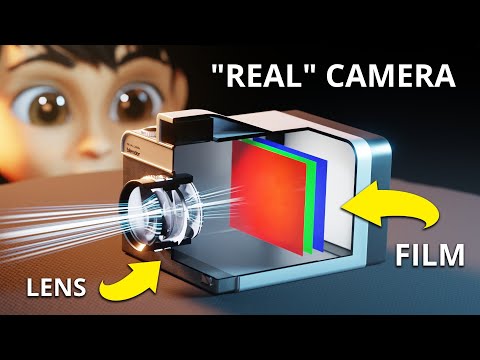

Creator Board
worklouder.cc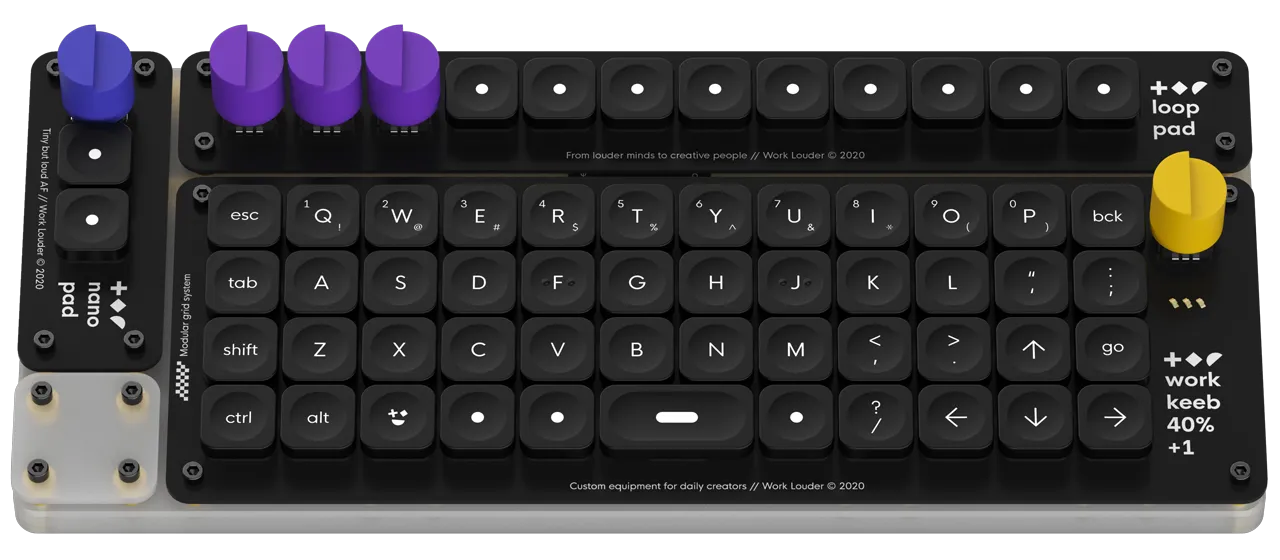
Who killed Google Reader?
theverge.comTen years after its untimely death, the team that built the much-beloved feed reader reflects on what went wrong and what could have been.
Our Friend The Computer – Australia’s Microbee Computer
ourfriendthe.computerAfter the girls discuss recent tech-art exhibitions they’ve seen in New York and London, Camila introduces Ana to some stories about the history of computer eduction in Australian schools. This months episode is a two-for-one! Firstly, we learn about a government plan to develop an especially Australian computer for use in schools with options for networking and for portable ‘laptop-style’ use. Then we hear about the rise and fall of the ‘Microbee’ computer—Australia’s first home-grown personal computer. This computer, which was designed and manufactured in Australia, controlled a large portion of the primary school computer market not just in Australia but also Scandinavia and Russia, winning contracts over Apple!
Advanced macOS Command-Line Tools
saurabhs.orgmacOS is fortunate to have access to the huge arsenal of standard Unix tools. There are also a good number of macOS-specific command-line utilities that provide unique macOS functionality.
Text Rendering Hates You
faultlore.comRendering text, how hard could it be? As it turns out, incredibly hard! To my knowledge, literally no system renders text “perfectly”. It’s all best-effort, although some efforts are more important than others.